
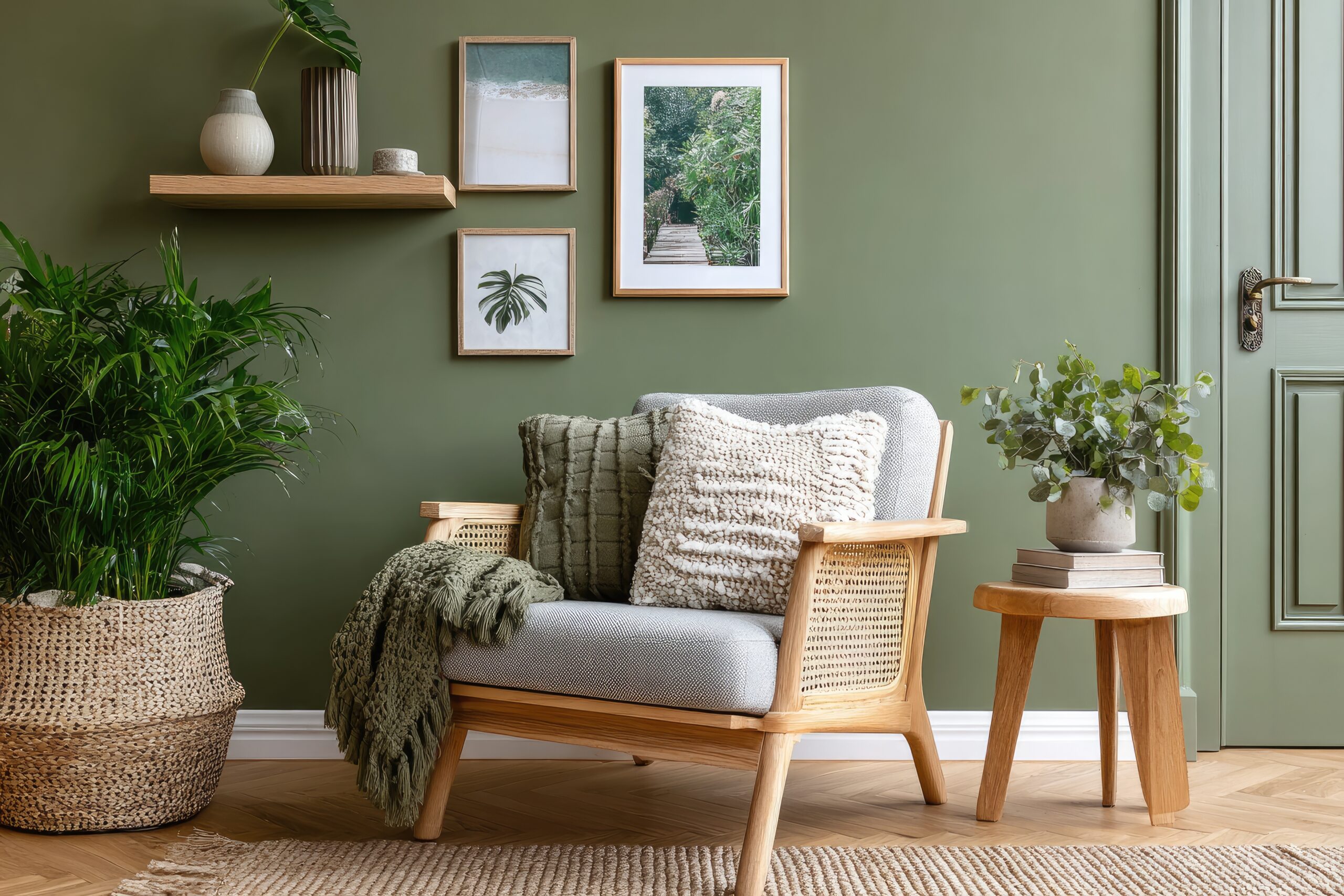
Indoor Rattan Furniture Guide
Indoor rattan furniture has surged in popularity for its durability, eco-friendliness, and artisan-crafted designs. Retailers are innovating with rattan, creating unique forms unattainable with traditional wood, making it a standout choice for stylish homes.
What Exactly is Rattan?
Natural, woven textures dominate home decor, but rattan, cane, and wicker are often confused. Wicker is a weaving technique using materials like synthetic fibers or willow, not a specific material. Rattan, however, is a solid timber vine from Southeast Asian forests, with over 600 species. Sourced from the abaca palm, it’s ideal for indoor furniture like chairs, tables, shelves, and lamps but unsuitable for outdoor use due to its natural composition.
Rattan complements diverse styles, pairing well with lacquer tables, Oriental rugs, sisal rugs, or black accents. While common in coastal homes, it also enhances formal designs, adding versatility and charm.
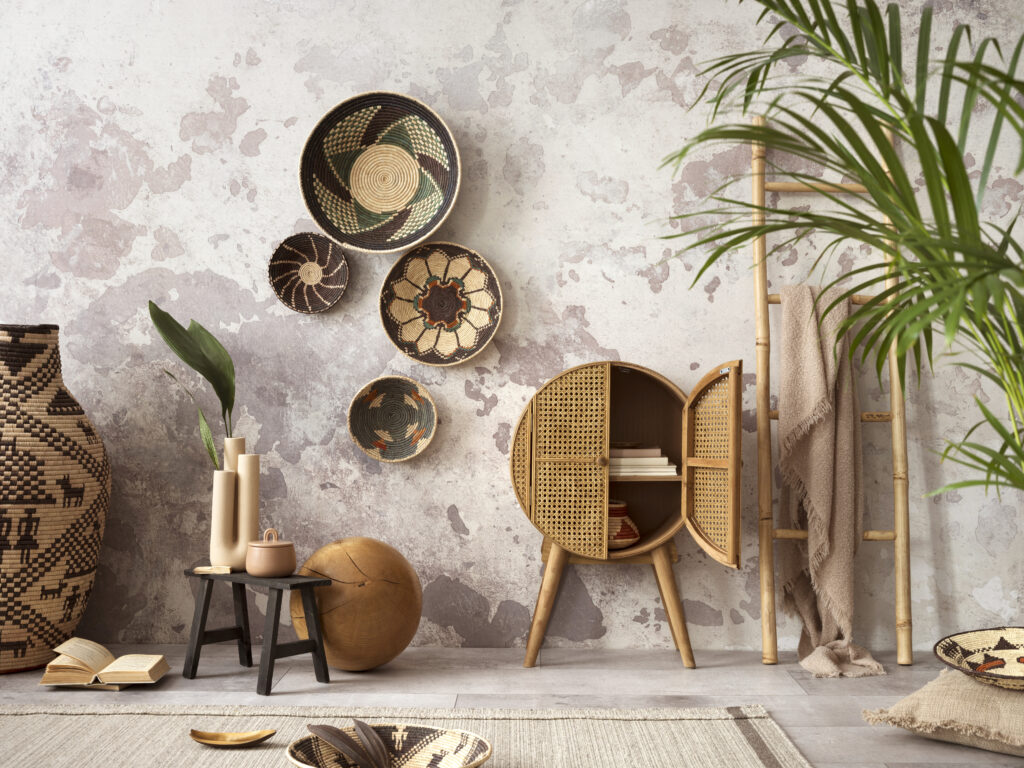
Rattan Furniture Trends and Benefits
Indoor rattan furniture is a trendy, sustainable choice, aligning with Scandi, Bohemian, Japandi, and biophilic design trends. Its natural, handcrafted appeal brings eco-friendly elegance to homes, embodying minimalism and a connection to nature.
Rattan, a fast-growing tropical vine from Southeast Asia, is highly sustainable, growing 2cm daily and harvestable in 2-3 years. Its simple, artisan-crafted production requires minimal industrial processes, and well-made pieces can last over a decade, rivaling solid wood for eco-friendliness and durability. Often called cane, rattan’s intricate weave distributes weight evenly, ensuring strength and comfort when sourced from quality brands.
Incorporate rattan subtly for a cohesive look: use placemats or trays in dining areas, display boxes in living rooms, or plant holders with greenery for a natural touch. Earthy tones like sage, beige, or grey complement rattan, while navy blue adds bold contrast. Painting or staining rattan—white is popular—can refresh pieces to match your decor, enhancing any room’s aesthetic without overpowering the style.
Selection of Indoor Rattan Furniture
Indoor rattan furniture offers a wide range of shapes and styles, with rattan options available for every piece in the furniture spectrum. Here is a collection of rattan furniture pieces that could serve as excellent alternatives to traditional solid wood furniture.
Rattan Furniture Cleaning Guide
Rattan furniture’s durability, lightweight nature, and stylish appeal make it a popular choice for indoor and outdoor spaces. Regular cleaning is essential to maintain its beauty and longevity. This guide provides effective techniques to keep your rattan pieces in top condition.
Cleaning and Maintaining Rattan Furniture
Clean rattan gently to protect its delicate material:
-
Dust Regularly: Use a soft cloth or feather duster to remove surface dirt.
-
Spot Clean: Dab spills or stains with a damp cloth, avoiding excess water.
-
Mild Soap Solution: For deeper cleaning, wipe with a soft cloth dipped in warm water and mild soap, rinsing often to prevent residue.
-
Dry Thoroughly: Use a dry cloth to remove moisture and air dry in sunlight or shade to prevent water damage. Avoid heaters or oils, as natural rattan develops a patina naturally.
For natural rattan, limit water to prevent warping or rotting. Use a damp cloth with mild soap, squeeze out excess water, and air dry completely. For outdoor rattan, exposed to elements, brush off debris and scrub gently with a hot water and mild soap solution (avoid bleach). Rinse thoroughly and air dry in a well-ventilated area to prevent mold.
Preventing Mold and Mildew
Mold and mildew thrive in humid conditions, threatening rattan. Store furniture in dry, well-ventilated spaces, using a dehumidifier in humid climates. If mold appears, scrub gently with a warm water and bleach solution (1 cup bleach per gallon), wearing gloves in a ventilated area. Rinse and air dry completely. Avoid damp grass placement; opt for sunny terraces.
Additional Tips
-
Outdoor Covers: Use covers during heavy rain but avoid excessive covering, as rattan needs air and sunlight. Store in a dry space during bad weather and ensure quick drying after rain.
-
Patch Test: Test cleaning solutions on a hidden area if unsure about the finish.
With gentle cleaning, thorough drying, and proper storage, your rattan furniture will stay beautiful and durable for years.

Indoor Rattan Furniture Guide
Indoor rattan furniture has surged in popularity for its durability, eco-friendliness, and artisan-crafted designs. Retailers are innovating with rattan, creating unique forms unattainable with traditional wood, making it a standout choice for stylish homes.
What Exactly is Rattan?
Natural, woven textures dominate home decor, but rattan, cane, and wicker are often confused. Wicker is a weaving technique using materials like synthetic fibers or willow, not a specific material. Rattan, however, is a solid timber vine from Southeast Asian forests, with over 600 species. Sourced from the abaca palm, it’s ideal for indoor furniture like chairs, tables, shelves, and lamps but unsuitable for outdoor use due to its natural composition.
Rattan complements diverse styles, pairing well with lacquer tables, Oriental rugs, sisal rugs, or black accents. While common in coastal homes, it also enhances formal designs, adding versatility and charm.
Rattan Furniture Trends and Benefits
Indoor rattan furniture is a trendy, sustainable choice, aligning with Scandi, Bohemian, Japandi, and biophilic design trends. Its natural, handcrafted appeal brings eco-friendly elegance to homes, embodying minimalism and a connection to nature.
Rattan, a fast-growing tropical vine from Southeast Asia, is highly sustainable, growing 2cm daily and harvestable in 2-3 years. Its simple, artisan-crafted production requires minimal industrial processes, and well-made pieces can last over a decade, rivaling solid wood for eco-friendliness and durability. Often called cane, rattan’s intricate weave distributes weight evenly, ensuring strength and comfort when sourced from quality brands.
Incorporate rattan subtly for a cohesive look: use placemats or trays in dining areas, display boxes in living rooms, or plant holders with greenery for a natural touch. Earthy tones like sage, beige, or grey complement rattan, while navy blue adds bold contrast. Painting or staining rattan—white is popular—can refresh pieces to match your decor, enhancing any room’s aesthetic without overpowering the style.
Selection of Indoor Rattan Furniture
Indoor rattan furniture offers a wide range of shapes and styles, with rattan options available for every piece in the furniture spectrum. Here is a collection of rattan furniture pieces that could serve as excellent alternatives to traditional solid wood furniture.
Rattan Furniture Cleaning Guide
Rattan furniture’s durability, lightweight nature, and stylish appeal make it a popular choice for indoor and outdoor spaces. Regular cleaning is essential to maintain its beauty and longevity. This guide provides effective techniques to keep your rattan pieces in top condition.
Cleaning and Maintaining Rattan Furniture
Clean rattan gently to protect its delicate material:
-
Dust Regularly: Use a soft cloth or feather duster to remove surface dirt.
-
Spot Clean: Dab spills or stains with a damp cloth, avoiding excess water.
-
Mild Soap Solution: For deeper cleaning, wipe with a soft cloth dipped in warm water and mild soap, rinsing often to prevent residue.
-
Dry Thoroughly: Use a dry cloth to remove moisture and air dry in sunlight or shade to prevent water damage. Avoid heaters or oils, as natural rattan develops a patina naturally.
For natural rattan, limit water to prevent warping or rotting. Use a damp cloth with mild soap, squeeze out excess water, and air dry completely. For outdoor rattan, exposed to elements, brush off debris and scrub gently with a hot water and mild soap solution (avoid bleach). Rinse thoroughly and air dry in a well-ventilated area to prevent mold.
Preventing Mold and Mildew
Mold and mildew thrive in humid conditions, threatening rattan. Store furniture in dry, well-ventilated spaces, using a dehumidifier in humid climates. If mold appears, scrub gently with a warm water and bleach solution (1 cup bleach per gallon), wearing gloves in a ventilated area. Rinse and air dry completely. Avoid damp grass placement; opt for sunny terraces.
Additional Tips
-
Outdoor Covers: Use covers during heavy rain but avoid excessive covering, as rattan needs air and sunlight. Store in a dry space during bad weather and ensure quick drying after rain.
-
Patch Test: Test cleaning solutions on a hidden area if unsure about the finish.
With gentle cleaning, thorough drying, and proper storage, your rattan furniture will stay beautiful and durable for years.